Restaurant shift scheduling: cover the peaks without burning out your team
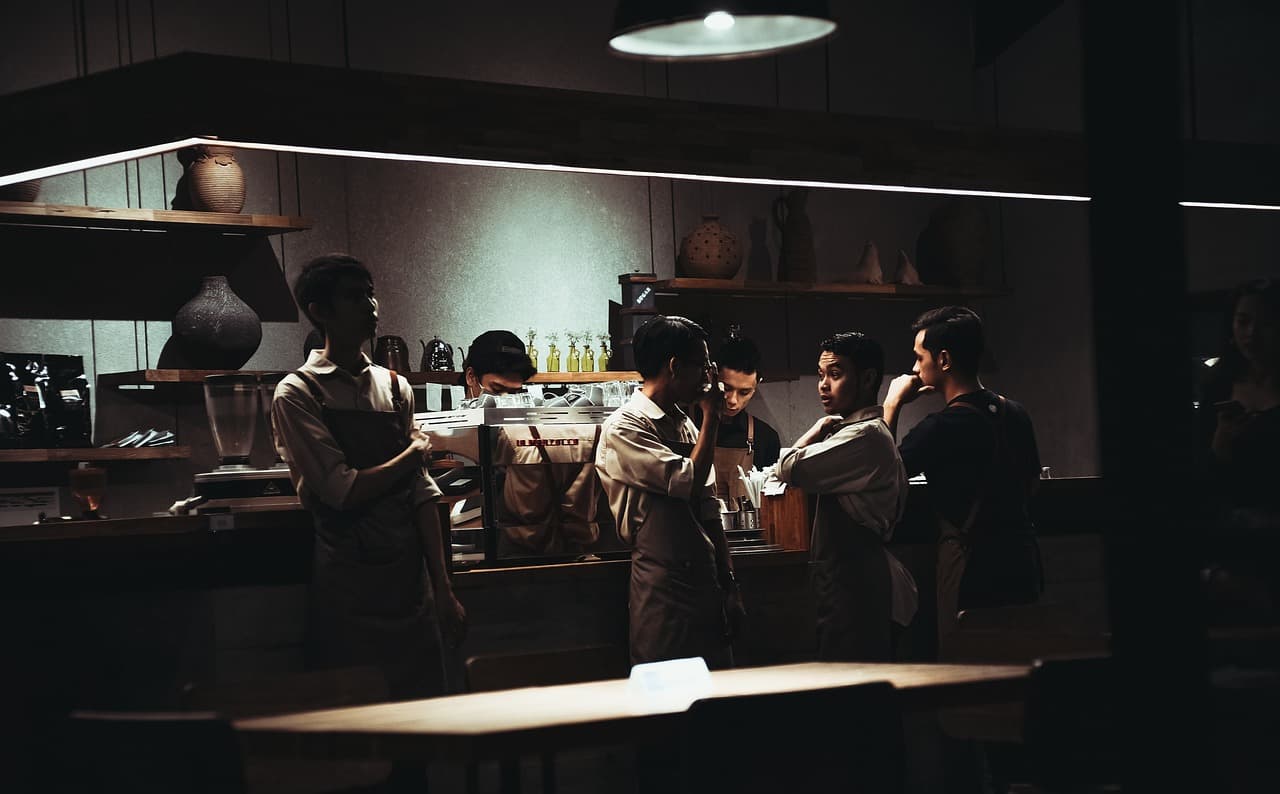
In short. Restaurant shift scheduling is a balance between peaks and people. Calculate coverage per role and hour, close the busiest slots first, and publish the schedule ahead of time. That way you cover Friday night without burning the team out on overtime.
In a restaurant the schedule decides more than it seems. It drives both service quality at peak and whether the team is still around in six months.
What makes restaurant shift scheduling different?
Two things: sharp peaks and distinct roles. Friday night and Tuesday afternoon are different restaurants by headcount. And kitchen, floor, bar, and host are each closed by a different mix.
So in hospitality, coverage is calculated not "for the location as a whole" but per role and time. Three servers on a shift - is that a lot or a little? It depends on the hour and how many tables are in the room.
How to plan shifts around peaks
First understand the peaks, then place people against them.
- Set a coverage target for peak slots separately from normal ones. Friday night ≠ a weekday.
- Close the busiest hours first, then the rest of the shifts.
- Keep a buffer for swaps. One no-show at peak means degraded service and an angry room.
- Bring all roles onto one screen, so you see kitchen and floor shortfalls at once.
When per-role coverage is visible in advance, Friday night stops being a lottery.
Why does a bad schedule mean turnover?
Because overtime and chaos in the roster burn people out. According to 2024 industry data, annual restaurant turnover runs around 75–80% - well above the overall labor-market average.
The main driver of that turnover is burnout from chronic understaffing and overtime. And every departing employee is a cost to find and train a replacement. A predictable schedule, published in advance, retains the team more cheaply than one-off raises.
What does a scheduling mistake cost?
A scheduling mistake costs twice: service today and people tomorrow. An understaffed shift drops quality and revenue in the moment. Regular overtime raises turnover, and with it hiring costs.
Restaurant labor is usually kept in a 25–35% range of revenue. When the schedule is built blind, that percentage goes either into overtime or into degraded service - and both hit the margin.
Smengo helps restaurants see the whole team for the month on one screen, calculate coverage per role, and catch gaps before the shift. More on the page for restaurants and hospitality, and you can try it free, no card.
FAQ
Why is restaurant shift scheduling harder than usual?
A restaurant has sharp demand peaks and different roles: kitchen, floor, bar, host. Coverage must be calculated per role and hour, not for the location as a whole.
How do you plan shifts for the Friday peak?
Set a separate coverage target for peak days and hours. Close the busiest slots first, then the regular shifts.
How does the schedule affect restaurant turnover?
An unstable schedule and overtime burn the team out. A predictable schedule, published in advance, retains people more cheaply than raising pay.
A restaurant schedule with no gaps at peak?
Smengo counts coverage by role - kitchen, floor, bar - and catches shortfalls early. 14 days free, no card.
Try Smengo